Comprehensive Guide to Construction Waste Clearance in Richmond
Understanding Construction Waste Clearance
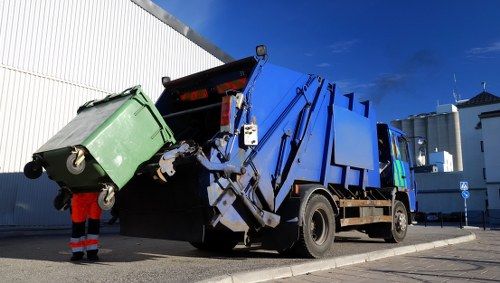
Construction projects, whether residential or commercial, generate a significant amount of waste. Efficient construction waste clearance in Richmond is essential to maintain a clean worksite, comply with local regulations, and promote sustainability.
Proper waste management ensures that debris does not pose safety hazards to workers and the surrounding community. Additionally, recycling and responsible disposal contribute to environmental conservation.
In Richmond, numerous regulations govern how construction waste should be handled. Understanding these rules is crucial for contractors and homeowners alike to avoid fines and ensure smooth project progression.
Types of Construction Waste
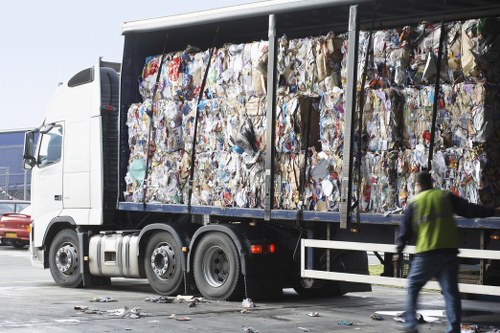
Construction waste can be categorized into several types, each requiring specific handling methods:
- Concrete and Masonry: Includes broken bricks, concrete slabs, and mortar.
- Wood and Carpentry Materials: Offcuts, pallets, and wood scraps.
- Metals: Steel beams, aluminum, and other metal fragments.
- Plastics and Packaging: Shrink wrap, foam, and packaging materials.
- Hazardous Materials: Asbestos, lead-based paints, and other toxic substances.
Identifying the type of waste is the first step in effective clearance and recycling strategies.
Benefits of Professional Waste Clearance Services

Hiring professional construction waste clearance services in Richmond offers numerous advantages:
- Efficiency: Professionals have the expertise and equipment to handle waste swiftly.
- Compliance: Ensures adherence to local waste management regulations.
- Safety: Reduces the risk of accidents by properly managing debris.
- Environmental Impact: Promotes recycling and reduces landfill use.
- Cost-Effective: Prevents potential fines and saves time, allowing projects to stay on schedule.
These benefits highlight the importance of investing in reliable waste clearance services.
Steps Involved in Waste Clearance
The process of construction waste clearance in Richmond typically involves several key steps:
1. Assessment and Planning
Assessing the type and volume of waste allows for effective planning and resource allocation.
2. Sorting and Segregation
Separating recyclable materials from non-recyclables ensures proper disposal and maximizes recycling efforts.
3. Transportation
Safe and efficient transportation of waste to designated facilities is crucial to minimize environmental impact.
4. Recycling and Disposal
Recycling materials like metals and concrete reduces the burden on landfills, while hazardous waste is disposed of following regulatory guidelines.
5. Site Cleanup
Final cleanup ensures the construction site is safe and ready for the next phase of the project.
Choosing the Right Waste Clearance Company
Selecting a reputable waste clearance company in Richmond is essential for successful project management. Consider the following factors:
- Experience: Look for companies with a proven track record in construction waste management.
- Licensing and Insurance: Ensure the company is licensed and insured to perform waste clearance.
- Services Offered: Comprehensive services including sorting, recycling, and disposal are preferable.
- Customer Reviews: Positive testimonials indicate reliability and quality service.
- Pricing: Transparent and competitive pricing helps in budgeting effectively.
Taking these factors into account will help in selecting a company that meets your specific needs.
Environmental Impact of Construction Waste
Construction waste has a significant impact on the environment. Improper disposal can lead to pollution, habitat destruction, and increased greenhouse gas emissions. Effective waste clearance and recycling reduce the environmental footprint of construction activities.
Recycling materials like concrete, metals, and wood not only conserves natural resources but also reduces the energy consumption associated with producing new materials.
In Richmond, initiatives to promote sustainable construction practices are gaining momentum, making responsible waste management more important than ever.
Local Regulations and Compliance
Richmond has specific regulations governing construction waste management. Compliance involves:
- Obtaining necessary permits for waste disposal.
- Adhering to recycling mandates for certain materials.
- Ensuring hazardous waste is handled by certified professionals.
- Maintaining accurate records of waste disposal activities.
Staying informed about local laws helps in avoiding legal issues and promotes responsible waste management.
Innovations in Waste Management
The construction industry is embracing innovative technologies to enhance waste clearance processes:
1. Advanced Recycling Techniques
New methods for recycling concrete and metals increase the efficiency and output of recycling facilities.
2. Waste Tracking Systems
Digital tracking ensures transparency and accountability in waste management operations.
3. Sustainable Materials
The use of eco-friendly materials reduces the overall waste generated during construction projects.
4. Automation and Robotics
Automation in sorting and processing waste accelerates clearance and minimizes human error.
These advancements contribute to more effective and sustainable waste management practices in Richmond.
Cost Considerations
Managing the costs associated with construction waste clearance in Richmond involves:
- Volume of Waste: Larger projects generate more waste, increasing disposal costs.
- Type of Waste: Hazardous materials require specialized handling, which can be more expensive.
- Recycling Rates: Higher recycling rates can reduce disposal fees through material sales or reduced landfill usage.
- Service Provider: Different companies offer varying pricing structures based on services rendered.
Budgeting for waste clearance ensures that projects remain financially viable while adhering to environmental standards.
Best Practices for Minimizing Construction Waste
Implementing best practices can significantly reduce the amount of waste generated during construction:
- Accurate Planning: Detailed project planning minimizes errors and excess material usage.
- Material Optimization: Efficient use of materials reduces leftovers and waste.
- Recycling Programs: Establishing on-site recycling initiatives promotes waste reduction.
- Training Workforce: Educating workers on proper waste management practices ensures compliance and efficiency.
- Regular Audits: Conducting waste audits helps identify areas for improvement and track progress.
Adopting these practices leads to more sustainable construction processes and lower clearance costs.
Case Studies: Successful Waste Clearance Projects
Examining successful construction waste clearance in Richmond reveals effective strategies and outcomes:
Project A: Commercial Complex
Implemented comprehensive recycling programs, reducing landfill contributions by 60%.
Project B: Residential Development
Used advanced waste tracking systems to streamline disposal processes, saving time and costs.
Project C: Industrial Facility
Handled hazardous waste with certified professionals, ensuring compliance and safety.
These examples demonstrate the benefits of professional waste clearance services and strategic planning.
Future Trends in Waste Clearance
The future of construction waste clearance in Richmond is poised for growth and innovation:
- Increased Automation: More automated systems will enhance efficiency in waste sorting and processing.
- Circular Economy: Emphasis on reusing materials to create a closed-loop system.
- Green Certifications: Projects will increasingly seek certifications that mandate sustainable waste management.
- Digital Integration: Enhanced data management for better tracking and reporting of waste disposal.
- Community Engagement: Greater involvement of local communities in recycling and waste reduction initiatives.
Staying ahead of these trends ensures that construction projects remain sustainable and compliant with evolving standards.
Conclusion
Effective construction waste clearance in Richmond is essential for the success and sustainability of construction projects. By understanding the types of waste, adhering to local regulations, and implementing best practices, stakeholders can achieve efficient and environmentally responsible waste management.
Investing in professional waste clearance services not only ensures compliance and safety but also contributes to a greener Richmond. Embrace sustainable practices today to benefit tomorrow.
Contact us today to learn more about our comprehensive construction waste clearance solutions and how we can support your next project.