House clearances for Richmond Hill homes rubbish removal
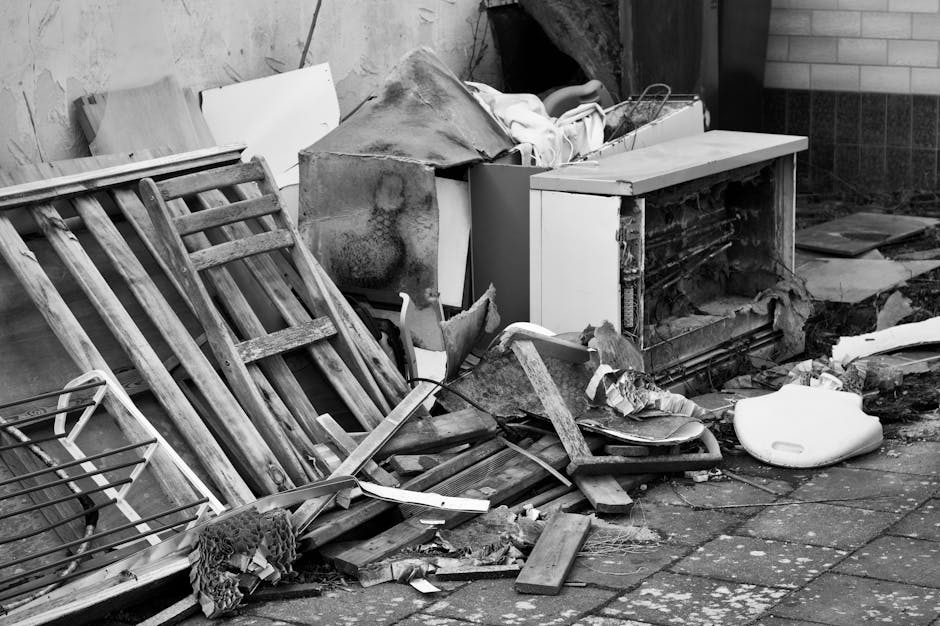
If you are dealing with a full property, a looming move, an inherited house, or just years of clutter that have quietly taken over the loft, garage, and spare room, house clearances for Richmond Hill homes rubbish removal can feel like a very big job. Truth be told, it often is. The good news is that with the right plan, the process becomes far less stressful and much more efficient.
Richmond Hill homes often bring a particular mix of challenges: period layouts, limited access, delicate stairways, parking restrictions, and the usual "we'll sort that later" accumulation that turns into a weekend-eating mountain of unwanted items. This guide explains how house clearance and rubbish removal work, what to expect, what to avoid, and how to choose the right approach for your home.
Whether you need a one-off clearance after a tenancy, help with bulky furniture, or a more structured emptying of an entire property, the aim is the same: clear the space properly, deal with waste responsibly, and leave you with a clean start.
Why House clearances for Richmond Hill homes rubbish removal Matters
At first glance, house clearance sounds straightforward: remove unwanted items, sweep up, and done. In reality, a proper clearance is part logistics, part sorting, part compliance, and part emotional pressure management. That matters even more in Richmond Hill, where homes are often older, storage spaces are awkward, and access can be tighter than people expect.
There is also a real difference between simply "taking away rubbish" and carrying out a thoughtful house clearance. A good clearance service helps separate reusable items, recyclable materials, general waste, and anything that needs special handling. That means less landfill, less mess, and fewer headaches for you later.
For homeowners, landlords, executors, and agents, the stakes can be practical and financial. A half-finished clearance can delay a sale, frustrate a new tenant, or make a property harder to clean, decorate, or photograph. And let's face it, nobody wants to spend a Saturday trying to fit a broken wardrobe into a hatchback. Nobody.
If you are comparing options, it helps to understand how house clearance sits alongside broader waste services such as house clearance, rubbish removal, and man and van collections. In some homes, a simple waste removal visit is enough. In others, a more planned clearance is the better fit.
How House clearances for Richmond Hill homes rubbish removal Works
The process usually starts with a walk-through or a clear item list. This can be a quick phone discussion, photos shared in advance, or an on-site assessment if the job is larger or more complex. The point is not to overcomplicate it. It is to reduce surprises.
A typical house clearance follows a few common stages:
- Assessment: Identify the volume, access issues, and anything unusual such as heavy appliances, fragile contents, or restricted parking.
- Sorting: Separate items for disposal, recycling, donation, storage, or special handling.
- Removal: Load the waste safely and efficiently, using the right equipment for the property and access.
- Transport: Move items to the appropriate waste transfer or recycling route.
- Final tidy: Leave the cleared space as clean and usable as reasonably possible.
In Richmond Hill, the access part often deserves more attention than people give it. A narrow drive, a basement entrance, a top-floor flat with a tight stairwell, or limited street parking can all change the best approach. Sometimes a skip is the answer. Sometimes a wait-and-load arrangement is better. Sometimes a vehicle-based clearance is simply more practical.
If you need a broader waste solution, skip hire can be a sensible choice for mixed household waste, while wait and load skip hire can work well where parking space is limited and you want the skip gone quickly. For awkward driveways or materials that are easier to shovel than lift, grab lorry hire may also be worth considering.
Key Benefits and Practical Advantages
The main benefit is obvious: less clutter. But the real value runs deeper than that. A properly managed clearance can make a property safer, more saleable, more lettable, and much easier to live in.
- Faster turnaround: A home can move from "packed and overwhelming" to "ready for the next step" in a surprisingly short time.
- Less physical strain: Heavy lifting, awkward furniture, and stair carries are where injuries happen. A professional approach reduces that risk.
- Better sorting: Reusable and recyclable items are easier to separate when the job is done methodically.
- Cleaner finish: Rooms are more usable once the bulk is removed, rather than just shuffled from one corner to another.
- Less stress: This sounds soft, but it matters. A cluttered house can feel mentally loud.
There is also a sustainability angle. Responsible clearance is not just about getting rid of things; it is about sending the right material to the right place. Services linked to recycling and sustainability help keep more waste out of landfill and make the whole process a bit more sensible, which is how it should be.
Expert summary: The best house clearance is not the one that removes the most items the quickest. It is the one that removes the right items safely, tidily, and with the least disruption to the household.
Who This Is For and When It Makes Sense
House clearance and rubbish removal services are useful for far more people than you might think. It is not just about bereavement or a dramatic hoarding situation, although those are certainly common reasons.
This kind of service often makes sense for:
- homeowners preparing to sell
- landlords between tenancies
- families clearing an inherited property
- people downsizing into a smaller home
- tenants who need to leave a property empty and tidy
- owners of homes with years of accumulated attic, basement, or garage items
- people dealing with bulky furniture, broken appliances, or leftover renovation debris
Sometimes the trigger is simply time. You have a week. Or maybe two. The clutter has become the task you keep moving to the bottom of the list. That is normal. Life gets busy, boxes multiply, and before you know it the hallway has become a storage unit.
For lofts, garages, and overfilled storage spaces, garage and loft clearance can be a helpful option if the problem is concentrated in one part of the property. For homes with a more general mix of waste and furniture, a broader clearance or domestic skip hire may be more suitable.
Step-by-Step Guidance
If you want the process to feel manageable, break it into stages. That is the trick. Not glamorous, but effective.
- Decide what needs to go. Walk room by room and mark items for removal. If you are unsure, group them separately rather than making rushed decisions.
- Separate valuables and paperwork first. This includes keys, documents, photos, jewellery, and anything personal. Check drawers, books, coat pockets, and old furniture. People forget this more often than you would think.
- Identify bulky or specialist items. Sofas, mattresses, white goods, and electricals may need specific disposal arrangements. For example, fridge and appliance removal is often the simplest route for old kitchen equipment.
- Choose the right disposal method. Decide whether you need skip hire, man and van collection, grab hire, or a combined service. If the waste includes mainly furniture, mattress and sofa disposal can be a practical add-on.
- Check access and parking. Measure gate widths, note stair turns, and think about where a vehicle can safely stop. In Richmond Hill, this can be the difference between a smooth day and a slightly fraught one.
- Book the job with clear instructions. Share photos if possible, be honest about volume, and mention anything awkward. It helps the crew arrive prepared.
- Stay available for decisions. During a clearance, there is often one item that needs a quick yes or no. Being reachable saves time.
- Inspect the final space. Before the team leaves, check that the agreed items are gone and the area is left tidy.
If the job is time-sensitive, same day skip hire can help, though it is always best to book early if you can. Last-minute clearances are possible. They just tend to be less relaxed, and no one enjoys that tone in the middle of a hallway.
Expert Tips for Better Results
A few small choices make a big difference.
Start with the easy wins. Old newspapers, broken storage boxes, spare hangers, empty packaging, and loose rubbish are the quickest items to remove. Once they are gone, the rest of the property looks more manageable. Strange but true.
Use the right service for the access. A terrace house with rear access and a long driveway is different from a flat on an upper floor. If access is tight, a wait and load skip hire setup may be more efficient than leaving a skip on the street, and an enclosed option can be useful if the waste needs to be kept dry or out of sight, such as with enclosed and lockable skip hire.
Think about mixed waste early. Household clearances often include a bit of everything: soft furnishings, timber, paper, old toys, appliances, and the random bits you forgot were in the shed. Sorting this in advance helps avoid delays.
Keep one "maybe" pile. If you are emotionally unsure about a few items, place them in one pile before the team arrives. That way you are not making rushed decisions while someone is waiting at the front door.
Ask how recycling is handled. A responsible provider should be able to explain the general approach to reuse, recovery, and recycling, even if they cannot promise the fate of every single item.
Be realistic about sentimental clutter. Some items are hard to part with. That is normal. A good clearance does not bulldoze those feelings; it works around them with care.
And one more practical note: if you are cleaning out a property that has been shut up for a while, open windows early. Fresh air changes the feel of the whole job. It takes the edge off dust and old-room smell, which, to be fair, nobody misses.
Common Mistakes to Avoid
Most clearance problems are not complicated. They are just avoidable.
- Leaving sorting until the day of removal: That usually creates panic and slows everything down.
- Underestimating volume: A single room can produce far more waste than expected, especially once cupboards and drawers are emptied.
- Forgetting special items: Electricals, heavy appliances, mattresses, and confidential paperwork often need separate handling.
- Ignoring access issues: Parking, steps, and narrow paths can affect vehicle choice and timing.
- Mixing hazardous items with general waste: This can create safety and disposal problems.
- Not checking what is included: Some services cover only certain item types or waste streams.
A very common one is the "we'll just do it ourselves in one afternoon" plan. Sometimes that works. Often it does not. By 3pm the skip bags are in the hall, someone has found a box of old cables, and the kettle is the only thing holding the operation together. Human nature, really.
It is also worth being careful with anything that may count as hazardous or regulated waste. Items like paints, solvents, gas bottles, asbestos-containing materials, and some chemicals should never be treated as ordinary rubbish. If in doubt, ask before moving them.
Tools, Resources and Recommendations
You do not need a lot of special equipment, but a few basic tools help a clearance run more smoothly.
- strong bin bags or rubble sacks for loose waste
- labels or coloured tape for keep, donate, and remove piles
- a torch for lofts, cupboards, and under-stair spaces
- gloves and sturdy footwear
- measuring tape for access and bulky furniture
- boxes for small valuables and paperwork
On the service side, the most useful pages to understand the options are what can go in a skip, skip sizes and prices, and pricing and quotes. Those pages help you think through volume, item types, and whether you need a simpler or more tailored arrangement.
For properties with building-related debris alongside household items, builders waste removal or builders skip hire may be useful, especially during refurbishments or post-renovation clear-outs. If the job involves a wider site or garden boundary cleanup, site clearance can be a better fit.
Law, Compliance, Standards, or Best Practice
House clearances and rubbish removal in the UK are not just about convenience. Waste has to be handled responsibly, and that means following basic legal and environmental expectations. The exact details depend on the material involved, but the general principle is simple: do not fly-tip, do not mix hazardous waste into general waste, and do not assume everything can go in one pile and be sorted later.
For domestic clearances, best practice usually includes:
- separating reusable items where possible
- keeping confidential documents secure
- storing hazardous materials apart from general waste
- using suitable lifting techniques and equipment
- using a provider with proper insurance and safety procedures
If paperwork, bills, or old client files are part of the clearance, confidential shredding is the safer route than putting documents into mixed waste. For safety and peace of mind, it is sensible to look at a provider's health and safety policy, insurance and safety information, and payment and security details before booking.
There is also a sustainability expectation now that many households are rightly interested in. It is no longer enough to just empty a house. People want to know waste is handled properly, and that is fair enough. A responsible clearance provider should work within recognised UK waste-handling norms, use suitable disposal routes, and avoid shortcuts that could create environmental or legal trouble later.
Options, Methods, or Comparison Table
Different homes need different solutions. The right choice depends on space, waste type, urgency, and how much hands-on help you want.
| Method | Best for | Pros | Watch-outs |
|---|---|---|---|
| House clearance service | Whole rooms, multiple items, mixed household waste | Convenient, structured, less lifting for you | Needs clear instructions and access planning |
| Skip hire | Ongoing clear-outs, DIY debris, mixed general waste | Flexible, good for larger volumes | Requires space; may need permit if placed on a road |
| Wait and load | Homes with limited parking or short loading access | No skip left outside, quick turnaround | Best when waste is ready to go |
| Man and van | Bulky items, lighter clearances, quick collections | Direct, often efficient for furniture and bagged waste | Less suitable for large mixed loads |
| Grab hire | Heavy, loose, or awkward waste piles | Handy for large volumes and fast loading | Needs suitable access for the vehicle |
If you are unsure, start with the access question. Can a large vehicle stop safely nearby? Is the waste already bagged or is it still piled loose? Are you clearing one room or a whole property? Those answers usually point you to the right method quite quickly.
Case Study or Real-World Example
Imagine a Richmond Hill property that has been occupied for many years. The owners are preparing for sale, and the house includes attic boxes, a tired sofa, a broken fridge, old garden pots, and three rooms full of furniture that no longer fits the way the family lives now.
In a case like that, a successful clearance would usually begin with a short assessment. The team would note the narrow hallway, the single front access point, and the fact that the old fridge needs separate handling. The family would first remove sentimental items, documents, and anything valuable. Then the heavier, awkward pieces would be lifted out in a planned order so the route stays clear.
The practical benefit shows up almost immediately. Once the first large items are gone, the house suddenly breathes a bit. Light comes in. Floors are visible again. Rooms feel less intimidating. That matters more than people expect, especially when the property has become an emotional burden as much as a physical one.
For homes with a mixture of household and renovation waste, a combination of rubbish removal and skip hire can be especially efficient. It gives you a place for the ongoing stuff and a fast way to remove the bulky items in one go. Simple, really, once it is broken down properly.
Practical Checklist
Use this before the clearance day:
- remove valuables, passports, jewellery, cash, and personal documents
- label keep, donate, recycle, and remove piles
- check lofts, cupboards, under beds, and behind furniture
- separate appliances, mattresses, sofas, and electronics
- identify any hazardous or sensitive items in advance
- measure access points and note parking restrictions
- take photos of the property if you want a record before clearance
- confirm the booking, timing, and what is included
- make sure someone can answer questions on the day
- do a final walk-through after removal
A small amount of preparation saves a surprising amount of time. And if you are clearing a family home, it also gives you a little breathing room emotionally, which is no small thing.
Conclusion
House clearances for Richmond Hill homes rubbish removal is really about restoring control. A cluttered property can feel heavy, noisy, and full of unfinished decisions. A well-planned clearance gives you back space, clarity, and momentum.
The best results come from good sorting, realistic planning, and choosing the right method for the property rather than forcing every job into the same solution. Whether you need a full clearance, a targeted bulky-item removal, or support with mixed waste, the smartest next step is usually the simplest one: assess the job honestly, then book the right help.
If you want to compare options, understand pricing, or arrange a straightforward collection, the service pages linked throughout this guide can help you narrow things down without guesswork.
Get a free quote today and see how much you can save.
And if the house feels overwhelming right now, do not worry too much. Every clear room starts with one bag, one box, one decision at a time.
Frequently Asked Questions
What is the difference between house clearance and rubbish removal?
House clearance usually involves clearing a larger part of a property, often with sorting, bulky items, and multiple waste types. Rubbish removal is often more focused on collecting unwanted waste or a smaller load. In practice, the two can overlap quite a bit.
How do I know which service I need for my Richmond Hill home?
If you are clearing several rooms, dealing with a whole property, or sorting a mixture of furniture and general waste, house clearance is usually the better fit. If you just need a few large items or bagged waste taken away, rubbish removal or man and van collection may be enough.
Can I leave everything for the clearance team without sorting it?
Usually yes, but you will get a better result if you remove valuables, documents, and anything you want to keep before the team arrives. A little sorting in advance can save time and reduce mistakes.
What items are commonly removed during a house clearance?
Typical items include furniture, mattresses, white goods, clothes, books, old electronics, household rubbish, garden items, and general clutter from lofts, garages, and cupboards.
Are fridges and other appliances handled separately?
Often, yes. Appliances can require specific handling, so it is sensible to mention them in advance. A service such as fridge and appliance removal can make that part easier.
Do I need a skip permit in Richmond Hill?
If a skip is placed on a public road or other area that requires permission, a permit may be needed. The need depends on where the skip will sit, so it is worth checking in advance before booking.
Is wait and load better than leaving a skip outside?
It can be, especially if parking is limited or you do not want a skip outside for long. Wait and load skip hire works well when the waste is ready to be loaded quickly.
What happens to the waste after collection?
It is usually taken to an appropriate transfer or processing site, where items may be sorted for reuse, recycling, or disposal. The exact route depends on the type of material and the provider's process.
How far in advance should I book a house clearance?
For larger or more complex jobs, a few days' notice is helpful. If you need something urgent, same-day options may be available, but the earlier you book, the better the planning usually is.
Can confidential paperwork be removed safely?
Yes, but it should be handled carefully. If you have documents containing personal or sensitive information, confidential shredding is the safer option than mixing them into general waste.
Is skip hire a good choice for a house clearance?
It can be, especially if you are doing the sorting yourself or the property will generate waste over several days. A useful starting point is skip sizes and prices, which can help you estimate the right option.
What should I do if the property contains hazardous waste?
Keep it separate and mention it before booking. Hazardous materials should not be treated like ordinary household rubbish, and they may need specialist disposal.
Can I use one service for both household items and renovation waste?
Yes, often you can. Mixed jobs are common, especially in homes being refurbished or prepared for sale. Depending on the load, a combination of builders waste removal and clearance support may work well.
What is the most common mistake people make with house clearance?
Underestimating the amount of waste is probably the biggest one. People think they have "a few bits" and then discover three rooms, a loft, and a garage full of items. It happens all the time.
How can I prepare my home for a smoother clearance day?
Separate keep and remove items, clear access routes, label anything delicate, and make sure the team knows about parking, stairs, and special items. The better the brief, the smoother the day.