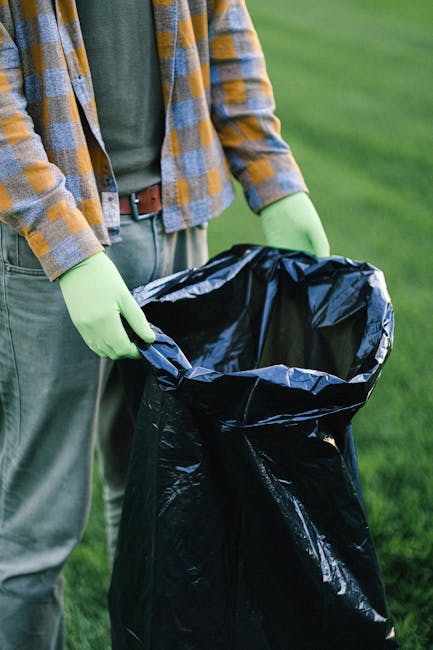
Garden waste and green rubbish removal Richmond Park TW9

If your garden has tipped from "slightly untidy" into "where on earth do I start?", you are not alone. Garden waste and green rubbish removal Richmond Park TW9 is often needed after a big prune, a full seasonal clear-out, landscaping work, or one of those weekend jobs that somehow multiplies by Sunday evening. Leaves pile up. Cuttings get soggy. Old soil, broken planters, and tangled branches suddenly take over the patio. It's messy, heavy, and a bit more involved than a normal bin day.
This guide explains how green waste removal works, what can be collected, how to choose the right method, and what to watch out for in a local Richmond Park setting. You'll also find practical tips, a comparison table, a checklist, and a real-world example so you can make a sensible decision without overcomplicating it. Let's face it: no one wants to spend a whole afternoon wrestling brambles into bin bags.
Why Garden waste and green rubbish removal Richmond Park TW9 Matters
Garden waste is not just "green stuff". It can include a mix of organic material, soil, woody cuttings, old turf, dead plants, hedge trimmings, and sometimes awkward extras like broken pots, fencing offcuts, or bags of weeded roots. Once it starts building up, it becomes bulky fast. Wet grass and leaves are especially deceptive; a few bags can become surprisingly heavy, and by the time they've sat in the rain for a day, they're even less fun to move.
In Richmond Park TW9, garden clearances can be slightly more complicated than they first seem. Access can be tight. Parking can be limited. Shared drives, narrow front gardens, and roadside loading restrictions all affect how waste is removed. That's why choosing the right collection method matters. A tidy garden isn't just nicer to look at; it also reduces slip hazards, keeps pathways clear, and stops green waste from sitting around long enough to smell or attract pests.
There's also the sustainability side. Organic waste should be handled separately where possible, because a good removal process can support composting or other recycling routes. If you're already thinking carefully about disposal, recycling and sustainability is a sensible place to start.
Expert summary: The best garden waste removal is not always the biggest vehicle or the fastest collection. It is the option that fits your access, volume, timetable, and waste type without creating extra work for you.
How Garden waste and green rubbish removal Richmond Park TW9 Works
The process is usually straightforward, but the details matter. Most services begin by estimating the amount of waste and identifying what kind of materials need taking away. From there, the collection method is matched to the job. For example, a modest garden tidy may suit a man-and-van style collection, while a major landscaping project may need a skip, grab lorry, or a larger mixed-waste solution.
In practice, green rubbish removal often follows one of three patterns:
- Pre-bagged collection: You bag leaves, clippings, and small cuttings in advance, which speeds things up on collection day.
- Load-and-go removal: A team loads the waste directly, which is handy if you have branches, soil, or awkward piles that are difficult to move yourself.
- Skip-based clearance: A skip is placed on your property or in another agreed spot, and you fill it at your own pace.
The right method depends on how much waste you have, how quickly you need it gone, and whether the area is easy to access. If you are unsure what can safely go into a skip, the page on what can go in a skip is a helpful reference before you start loading.
For many households, the decision comes down to convenience. Do you want to clear the garden in one go? Or would you rather work through it over a few days? If the answer is "just get it gone", a dedicated garden waste removal service can be the neatest option.
Key Benefits and Practical Advantages
Good green waste removal is about more than simply clearing space. It can make the whole garden easier to use and maintain. After a proper clearance, people often notice the garden feels calmer. That sounds a bit poetic, maybe, but it is true. You can actually see the beds again, and the patio stops looking like a temporary compost heap.
- Less lifting and strain: No endless dragging of heavy bags to the kerb.
- Cleaner presentation: Useful if you are preparing a property for sale, rental, or guests.
- Better access: Paths, gates, and side returns are easier to use after clearance.
- Faster project completion: Landscaping and pruning jobs finish properly when the waste is removed.
- More responsible disposal: Organic waste can often be separated and recycled more efficiently.
One of the less obvious advantages is momentum. When waste disappears quickly, people usually finish the rest of the garden job with more energy. Strange, but you will notice it. A clear space tends to motivate the next step.
If your project overlaps with other household clearances, it may be worth looking at broader rubbish removal options too, especially where there is a mix of garden debris and general household clutter.
Who This Is For and When It Makes Sense
Garden waste and green rubbish removal Richmond Park TW9 suits a wide range of people. It is not only for major landscaping jobs. In fact, a lot of requests come from ordinary garden maintenance that has just got out of hand. There is no shame in that. Gardens have a way of creating work overnight.
- Homeowners after pruning hedges, trees, or mature shrubs
- Tenants and landlords preparing outdoor areas between tenancies
- Gardeners and landscapers who need a quick, dependable waste solution
- Busy households that do not want to spend a weekend at the tip
- People dealing with storm damage or a sudden influx of branches and debris
It also makes sense when the waste is awkward. Soil is heavy. Wet grass is slippery. Old roots are stubborn. Branches take up more room than you expect. If you are trying to clear a rear garden through a narrow side return, a method like wait and load skip hire can sometimes be more practical than leaving a skip in place for days.
Commercial settings can need the same thing too, especially for shared grounds, managed properties, or outdoor maintenance work. In those cases, a wider waste plan may be more appropriate, and commercial skip hire can be worth exploring.
Step-by-Step Guidance
If you want the job to run smoothly, it helps to think ahead by a few steps. Nothing complicated. Just enough planning to avoid awkward surprises with access, volume, or mixed waste.
- Separate the waste first. Put green waste, soil, wood, and non-garden items into different piles if possible. It makes loading easier and reduces mistakes.
- Check access. Measure gate widths, note steps, and think about whether a vehicle can get close enough to the garden.
- Estimate the volume honestly. A pile that looks small from one angle can balloon once it is broken up. Branches are particularly sneaky like that.
- Choose the collection method. If you need quick removal and the waste is mixed, consider a skip or a direct collection service.
- Remove prohibited items. Batteries, paint, chemicals, and hazardous materials should not be mixed into green waste.
- Load safely. Put heavy items low and lighter cuttings on top. Avoid overfilling bags or containers.
- Book a collection window that suits the job. Early collections are useful if the garden is being worked on in stages.
If a branch pile, old fence panel, and some broken garden furniture all appear together in one corner, pause before loading everything into the same container. It is usually better to keep organic waste separate from general rubbish where possible. A tidy system saves time later.
For larger or heavier outdoor jobs, the service pages for grab hire services and man and van are useful comparisons because they suit different access patterns and waste volumes.
Expert Tips for Better Results
Over time, a few habits make a big difference. These are the kind of things that are easy to overlook when you are mid-job and already a bit tired.
- Cut branches down before collection: Shorter lengths stack better and use space more efficiently.
- Let wet waste drain if you can: A soggy load is heavier than it looks and can be harder to move safely.
- Keep soil separate from light green waste: Soil adds weight very quickly and can change the size of container you need.
- Use sturdy bags for small cuttings: Thin bags split easily, and no one wants leaf soup across the path.
- Plan for the final sweep: Have a broom, rake, and gloves ready so the area looks finished once the waste goes.
A small but useful trick: if you are pruning in stages, create one pile for "definitely green waste" and another for "not sure yet". That keeps things moving without forcing every decision on the spot. You can sort the uncertain bits properly at the end.
And yes, sometimes the best tip is simply not to wait too long. Fresh cuttings are easier to manage than a week-old heap that has settled, compacted, and started to smell a bit earthy in the wrong way.
Common Mistakes to Avoid
Most problems with garden waste removal come from small oversights, not major disasters. The good news is they are easy to avoid once you know what to look for.
- Mixing green waste with hazardous materials: Paint, oils, chemicals, and treated materials need separate handling.
- Underestimating weight: Soil, wet turf, and branches can make a load much heavier than expected.
- Ignoring access limits: A collection vehicle may need space to manoeuvre, especially in tighter London streets.
- Overfilling containers: This can create safety issues and may stop the load being taken away until it is corrected.
- Forgetting about permits or placement rules: If a skip needs to sit on a public road, local permit rules may apply.
There is also the classic mistake of assuming everything "from the garden" is automatically green waste. It isn't. Broken pots, old tools, plastic edging, and damaged timber are usually classed differently. That is where a service like domestic skip hire may be more flexible if your load is mixed rather than purely organic.
One more thing: do not leave piles of wet green waste in sealed bags for too long. They can become unpleasant, heavy, and awkward to handle. In warm weather, it's not lovely, truth be told.
Tools, Resources and Recommendations
You do not need specialist kit for a normal garden clear-out, but a few simple tools make the work much easier and safer.
- Heavy-duty garden bags for leaves, clippings, and small debris
- Rake and leaf scoop to gather loose material efficiently
- Pruning shears or loppers for reducing branch size before loading
- Gloves and sturdy footwear because brambles, nails, and hidden debris happen
- Wheelbarrow or sack truck for moving heavier loads to the collection point
- Tarpaulin to keep stacked waste together and protect paths
For planning purposes, it is worth checking pricing structure before booking. The page on skip sizes and prices can help you judge whether a smaller or larger container makes better sense for your project. Likewise, pricing and quotes is useful when you want to compare your options without guessing.
If you are trying to keep the job as tidy as possible, an enclosed solution may also be worth considering. Enclosed and lockable skip hire is not just for security; it can help keep lightweight garden debris from blowing around on a breezy afternoon.
Law, Compliance, Standards, or Best Practice
Green waste collection is one of those jobs where good practice matters as much as convenience. In the UK, waste should be handled by reputable operators and taken to appropriate facilities. If you are arranging removal, it is sensible to expect clear explanations about what happens to the waste afterwards, especially for mixed loads.
Garden waste itself is usually straightforward, but there are a few points to keep in mind:
- Do not mix hazardous waste into green waste. That includes chemicals, pesticides, oily containers, and anything potentially harmful.
- Separate materials where possible so recycling routes stay cleaner and more efficient.
- Use licensed, insured services for collection and transport.
- Be careful with public-road placement if a skip is being used; local permit requirements may apply.
For a broader safety and responsibility overview, the site's health and safety policy and insurance and safety pages are useful reads. They help set expectations for professional handling, which is reassuring when you are booking a service to remove bulky waste from your property.
There is also a practical compliance angle around prohibited materials. If your garden clear-out includes items that could be classed as hazardous, it is wiser to stop and check than to assume they can be bundled in with everything else. A little caution now saves a headache later.
Options, Methods, or Comparison Table
Different removal methods suit different jobs. The right answer depends on volume, access, waste type, and how much you want to do yourself. Here's a simple comparison to make the decision a bit easier.
| Method | Best for | Strengths | Watch-outs |
|---|---|---|---|
| Garden waste bags | Small tidy-ups and light clippings | Cheap, simple, easy to stage | Can get heavy, time-consuming, limited capacity |
| Man and van removal | Quick clearances, awkward access, mixed light loads | Flexible, fast, good for smaller spaces | May be less suitable for very large volumes |
| Skip hire | Ongoing garden projects or bigger piles of waste | High capacity, easy to fill over time | May need space or a permit depending on placement |
| Grab lorry hire | Large loose waste, branches, soil, bulky clear-outs | Quick loading, good for heavy material | Needs suitable vehicle access and space to operate |
| Wait and load | Restricted access or no space for a skip | No long-term container left on site | You need to be ready when the crew arrives |
If you are still undecided, it can help to think about the physical shape of the waste. Loose branches and soil behave very differently from tied bags of leaves. That one detail often decides the most efficient option.
Case Study or Real-World Example
A typical Richmond Park TW9 job might look like this: a family has spent the better part of a Saturday cutting back a rear hedge, lifting old planting tubs, and clearing a small border after winter. By late afternoon, the garden looks transformed, but there is now a sizeable mound of green waste sitting on the patio. The pile includes hedge trimmings, ivy, a few roots, some soil, and a broken trellis panel. Not a disaster, but definitely not something they want hanging around until the next weekend.
They start by separating the obvious green material from the timber and plastic pieces. The branches are cut down to a more manageable size, the lighter clippings go into bags, and the heavier debris is kept together. Because access at the back is tight and the side return is narrow, a full skip feels awkward. A wait and load style collection is considered, but the family also wants a little flexibility while they finish the final tidy. In the end, they go with a removal method that lets the waste be taken promptly without needing a container left on site for days.
The result is simple: the patio is clear by evening, the garden feels usable again, and the only thing left is a neat pile of swept-up leaves that takes five minutes to deal with. No drama. No borrowed wheelbarrows from next door. Just a finished job.
That kind of job is common enough, and it shows why the best solution is often the one that fits the space rather than the one that sounds biggest on paper.
Practical Checklist
Use this quick checklist before you book or start loading.
- Have I separated green waste from general rubbish?
- Do I know whether there is soil, wood, or mixed material in the load?
- Is access clear for the chosen collection method?
- Have I checked whether any permit or placement issue could apply?
- Are there any hazardous items that must be removed separately?
- Do I need same-day or next-day clearance?
- Would a skip, man and van, grab lorry, or wait and load be most practical?
- Have I measured roughly how much waste there is?
- Have I set aside tools for the final sweep and tidy?
- Do I want the most sustainable recycling route available?
If you can tick most of those off, you are in a good place. If not, that is fine too. Better to pause and plan than to end up with the wrong collection method.
Get a free quote today and see how much you can save.
Conclusion
Garden waste and green rubbish removal Richmond Park TW9 is really about making outdoor maintenance feel manageable. Whether you have a few bags of hedge trimmings or a full garden overhaul on your hands, the smartest approach is the one that matches your access, waste type, and timeline. A little planning saves a surprising amount of effort.
For many people, the turning point is simply realising they do not have to drag every branch and bag around themselves. With the right removal method, the job becomes cleaner, quicker, and less stressful. And yes, it is oddly satisfying when the last pile disappears and you can actually see the lawn again.
If you want the next step to feel easy rather than annoying, choose a service that fits the job properly, ask clear questions, and keep the load sorted from the start. That way, the garden ends up being the relaxing space it was meant to be. Simple as that.
Frequently Asked Questions
What counts as garden waste and green rubbish?
It usually includes grass cuttings, hedge trimmings, branches, leaves, weeds, roots, plants, and small amounts of soil. In some cases, mixed outdoor debris such as old pots or broken timber may be treated separately.
Can I put all garden waste in a skip?
Not always. Pure green waste is usually straightforward, but mixed loads need more care. Some items may not be accepted, so it is wise to check the loading guidance first and keep hazardous materials out completely.
Is garden waste removal better than taking it to the tip myself?
That depends on volume, time, and access. If you have a small amount and a vehicle that can carry it safely, self-transport can work. For larger, heavier, or messier loads, a removal service is usually far easier.
Do I need a permit for garden waste removal?
You usually do not need a permit for collection on private property. However, if a skip is placed on a public road, permit rules may apply. It is best to check before booking so there are no surprises.
What is the fastest option for clearing green waste?
For many jobs, a same-day or next-day collection is the fastest practical route. Same-day skip hire can also be useful when the job needs dealing with quickly and access allows it.
Can wet grass and leaves be collected?
Yes, but wet waste is heavier and can be more awkward to handle. If possible, allow it to drain a little first. That makes lifting safer and can reduce the overall weight of the load.
What should I do with soil and turf?
Soil and turf are much heavier than leaves or cuttings, so they may affect the method you choose. Keep them separate where possible and mention them when requesting a quote.
Are branches and hedge cuttings recycled?
They often can be, depending on how they are sorted and where they are taken. Clean green waste is usually more suitable for recycling or composting routes than mixed rubbish.
What if I also have old garden furniture or broken fencing?
Those items are usually handled separately from organic waste. If your load is mixed, a broader solution such as rubbish removal or a suitable skip service may make more sense than a pure green waste collection.
How do I know which collection method is right for my garden?
Think about volume, weight, access, and how quickly you want the space cleared. Small tidy-ups suit bags or a van collection. Bigger or ongoing projects often suit a skip or grab lorry. Tight access can make wait and load especially practical.
Is it worth booking professional help for a small garden job?
Sometimes, yes. If the waste is awkward, heavy, or time is tight, professional help can save you hours. It is also useful when you want the garden cleared neatly without making several trips yourself.
How can I make the removal process easier?
Sort the waste first, cut branches down, keep soil separate, and clear a path for collection. Those small steps make a big difference on the day and help the whole job run without fuss.